
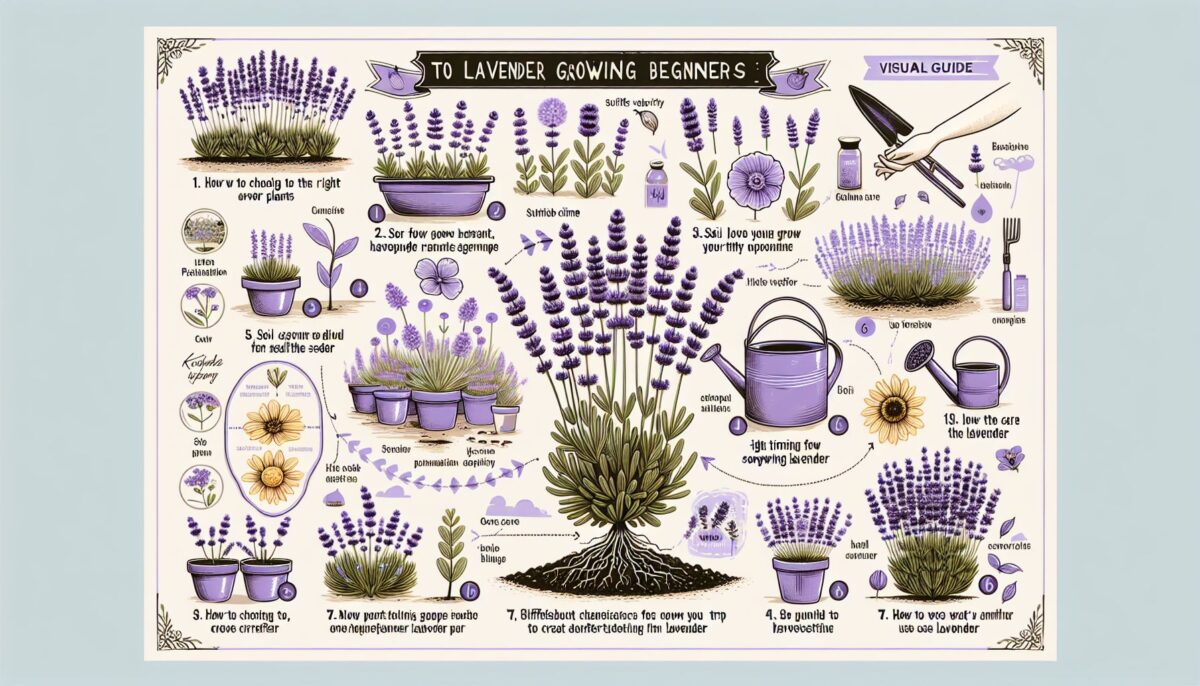
Lavender is a favorite among gardeners. Its lovely scent and beautiful blooms bring a touch of elegance to any garden. For beginners, growing lavender might seem daunting, but it doesn’t have to be. Understanding the basics of planting and caring for lavender can lead to a thriving garden full of aromatic blossoms. This article will guide you through the essential aspects of growing lavender.
Understanding Lavender Types
Lavender comes in many varieties. The most common types are English lavender (Lavandula angustifolia), French lavender (Lavandula dentata), and Spanish lavender (Lavandula stoechas). Each type has unique characteristics. English lavender is known for its sweet fragrance and cold hardiness. French lavender has broader leaves and serrated edges, while Spanish lavender is recognized for its pineapple-shaped flowers. Choosing the right type depends on your climate and gardening goals.
Choosing the Right Location
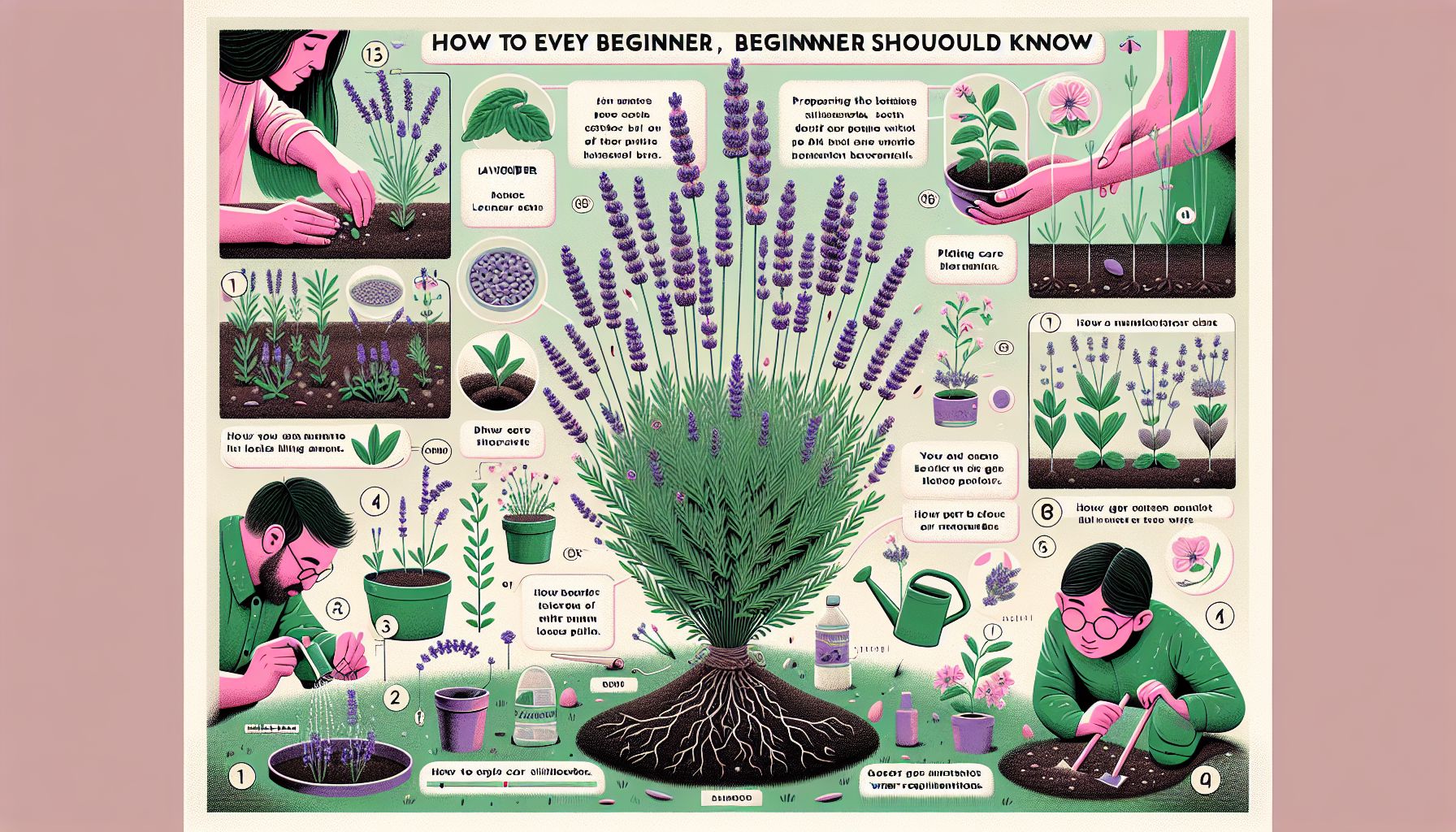
Lavender thrives in full sun. It requires at least six to eight hours of sunlight daily. Select a location that receives ample sunlight. Also, lavender prefers well-drained soil. Sandy or rocky soil works best. If your soil is heavy or clay-like, consider amending it with sand or gravel to improve drainage.
Preparing the Soil
Soil preparation is crucial for lavender’s success. Before planting, test the soil pH. Lavender grows best in slightly alkaline soil with a pH between 6.7 and 7.3. If your soil is too acidic, you can add lime to increase its alkalinity. Mix in organic matter like compost to provide nutrients while ensuring the soil remains well-drained.
Planting Lavender
The best time to plant lavender is in the spring. Once the soil has warmed up, it’s ready for planting. Space lavender plants about 1 to 2 feet apart to allow for good air circulation. Dig a hole that is deep enough to accommodate the root ball. Place the plant in the hole and backfill with soil, pressing gently around the base. Water the plant well after planting.
Watering Requirements
Lavender does not need much water once it’s established. Overwatering can lead to root rot. During the first year, water young plants deeply but infrequently. Allow the soil to dry out between waterings. Once established, lavender is drought-tolerant and can thrive with minimal watering.
Pruning Lavender
Pruning helps lavender plants maintain a compact and attractive shape. The best time to prune is in the spring after new growth appears. Remove any dead or diseased wood. Trim back the foliage by one-third, being sure not to cut into old wood, which can inhibit new growth.
Common Pests and Problems
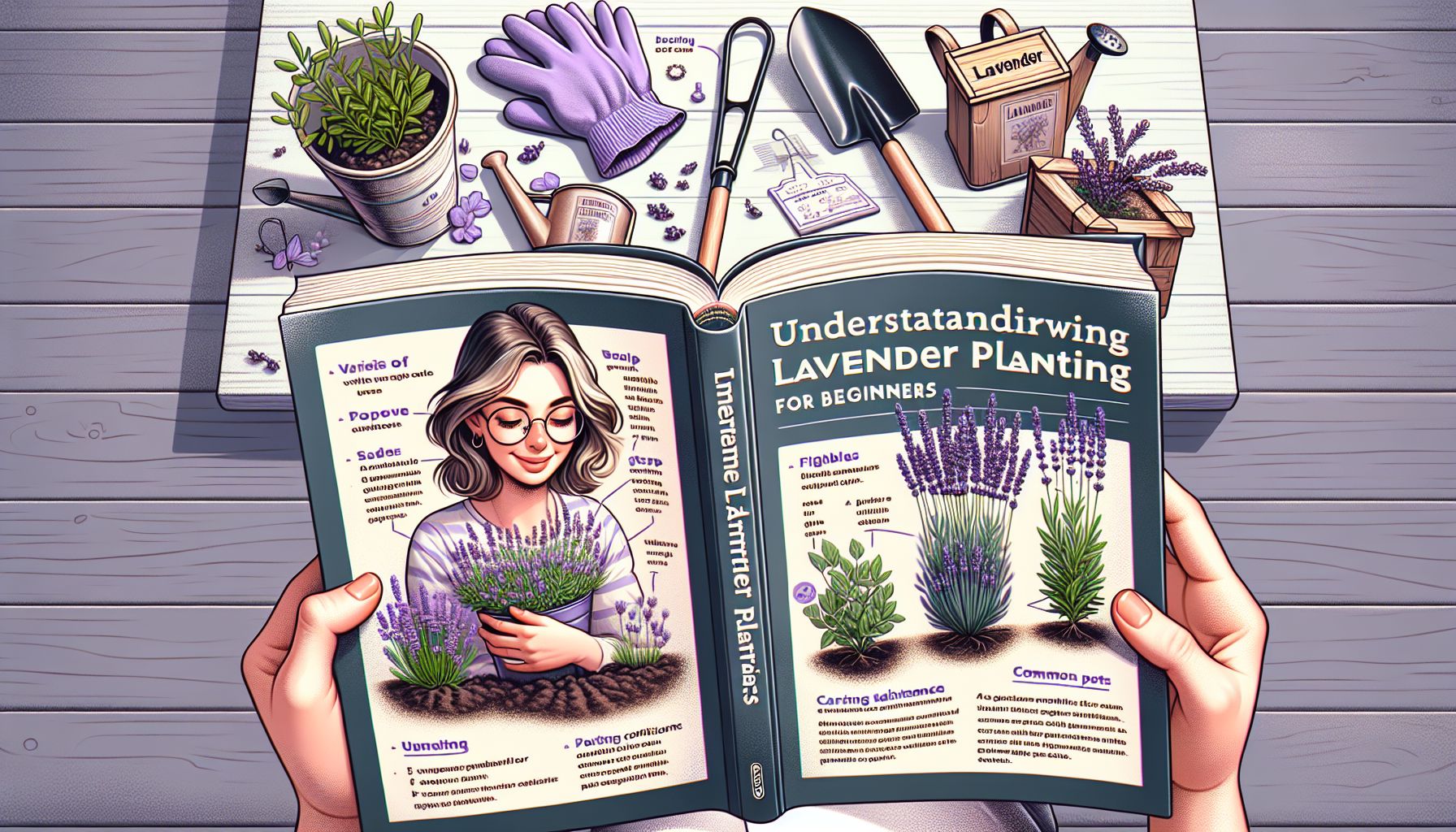
Lavender is relatively pest-resistant. However, it can still encounter issues such as aphids, spider mites, and fungal diseases. Regularly inspect your plants for signs of trouble. If you notice pests, consider using a natural insecticidal soap. For fungal issues, ensure proper air circulation and avoid overhead watering to minimize humidity.
Harvesting Lavender
Lavender blooms are ready for harvest when about two-thirds of the flower buds have opened. Use sharp scissors or pruning shears to cut stems early in the morning, when the essential oils are strongest. Gather the cut stems into small bundles and hang them upside down in a cool, dry place to dry.
Benefits of Growing Lavender
Growing lavender offers many benefits. Its strong fragrance acts as a natural insect deterrent, reducing pests like mosquitoes, fleas, and moths. Lavender is also known for its calming properties, often used in aromatherapy to reduce stress and improve sleep. Additionally, dried lavender can be used for crafts and homemade products like sachets and essential oils. Learn more about the benefits of lavender from the University of Minnesota Extension.
Additional Tips and Considerations
- Companion Planting: Lavender pairs well with other sun-loving plants like rosemary and sage. Their similar growing conditions make them ideal companions.
- Mulching: Use coarse mulch like gravel or bark to improve soil drainage and prevent weeds.
- Winter Care: In colder climates, provide winter protection with straw or cover to insulate plants from freezing temperatures.
For more detailed information on lavender care, visit the Royal Horticultural Society’s lavender care guide.
Embrace the journey of growing lavender. With some patience and attention, you will enjoy vibrant plants that bring beauty and fragrance to your garden. Whether you are harvesting lavender for its therapeutic benefits or simply enjoying its aesthetic appeal, this plant promises to be a delightful addition to your gardening experience.