
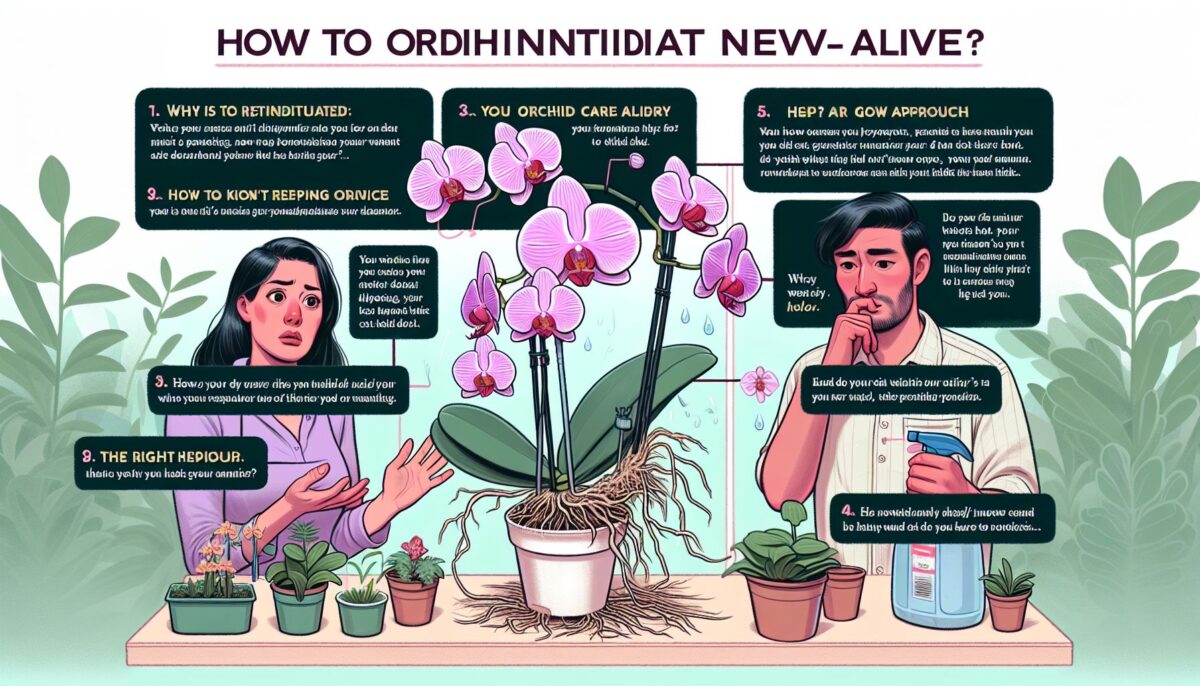
Orchids are beautiful flowers that many people admire. However, new gardeners often find them difficult to grow. This article explains why orchids intimidate beginners and provides simple tips to help keep them alive.
Understanding Orchid Fear
Many new gardeners feel overwhelmed by orchids. Several factors contribute to this feeling.
Exotic Appearance
Orchids look exotic. Their unique shapes and colors stand out compared to common houseplants. This uniqueness creates an impression that orchids require special care.

Misleading Reputation
People often assume orchids are fragile. Stories of orchid care failures spread quickly, reinforcing this belief. This assumption discourages potential growers.
Care Complexity
Orchid care seems complex. Terms like “humidity control” and “air circulation” sound technical. Beginners might feel unsure about how to implement these practices effectively.
Basics of Orchid Care
While orchids may seem challenging, their basic needs are simple. Understanding these can ease the intimidation.
Light Requirements
Orchids need bright, indirect light. Direct sunlight can harm them. Place orchids near an east-facing window for best results.
Watering Needs
Orchids prefer less water. Overwatering is a common mistake. Water them once a week and let the soil dry between watering. Also, use lukewarm water to avoid shocking the roots.
Potting Medium
Orchids do not grow in regular potting soil. Use a specialty orchid potting mix. This mix typically includes bark and allows for better drainage.
Temperature and Humidity
Orchids thrive in temperatures between 60°F and 80°F. Aim for a humidity level of around 50% to 70%. Placing a humidity tray near the orchid can help achieve this level.
Common Challenges and Solutions
Even with basic care knowledge, new gardeners can face challenges. Here are some common issues and solutions.
Root Rot
Root rot occurs from overwatering. If leaves turn yellow and roots look mushy, check watering habits. Improve drainage and ensure pots have holes.
Pest Infestations
Pests like aphids can harm orchids. Regularly inspect plants for signs of pests. Treat infestations with insecticidal soap or neem oil.
Limited Flowering
Sometimes orchids do not flower. This issue often stems from insufficient light or improper feeding. Increase light exposure and use a balanced orchid fertilizer to promote blooms.
Tips for Successful Orchid Growing
Growers can take several steps to improve their orchid growing success.
Start Small
Begin with a single orchid. Focus on understanding its needs before expanding your collection. This approach helps prevent feeling overwhelmed.
Choose Hardy Varieties
Some orchids are easier to grow than others. Phalaenopsis (moth orchids) are a good choice for beginners. They are forgiving and adapt well to different environments.
Consistent Routine
Establish a care routine and stick to it. Consistency in watering, feeding, and light conditions helps orchids thrive.
Use Trusted Resources
Educate yourself using reliable sources. Websites like Orchid Society of America and The Orchid Care Lady offer valuable information.
Conclusion
Orchids can seem intimidating at first. Their exotic appearance, reputation for difficulty, and specific care needs make them a challenging choice for beginners. However, with proper understanding and consistent care, anyone can grow beautiful orchids. Focus on meeting their basic requirements, recognize common challenges, and utilize available resources. In time, you will see that orchids are not as intimidating as they seem and can provide a rewarding gardening experience.